1981 Yamaha Virago Rebuild
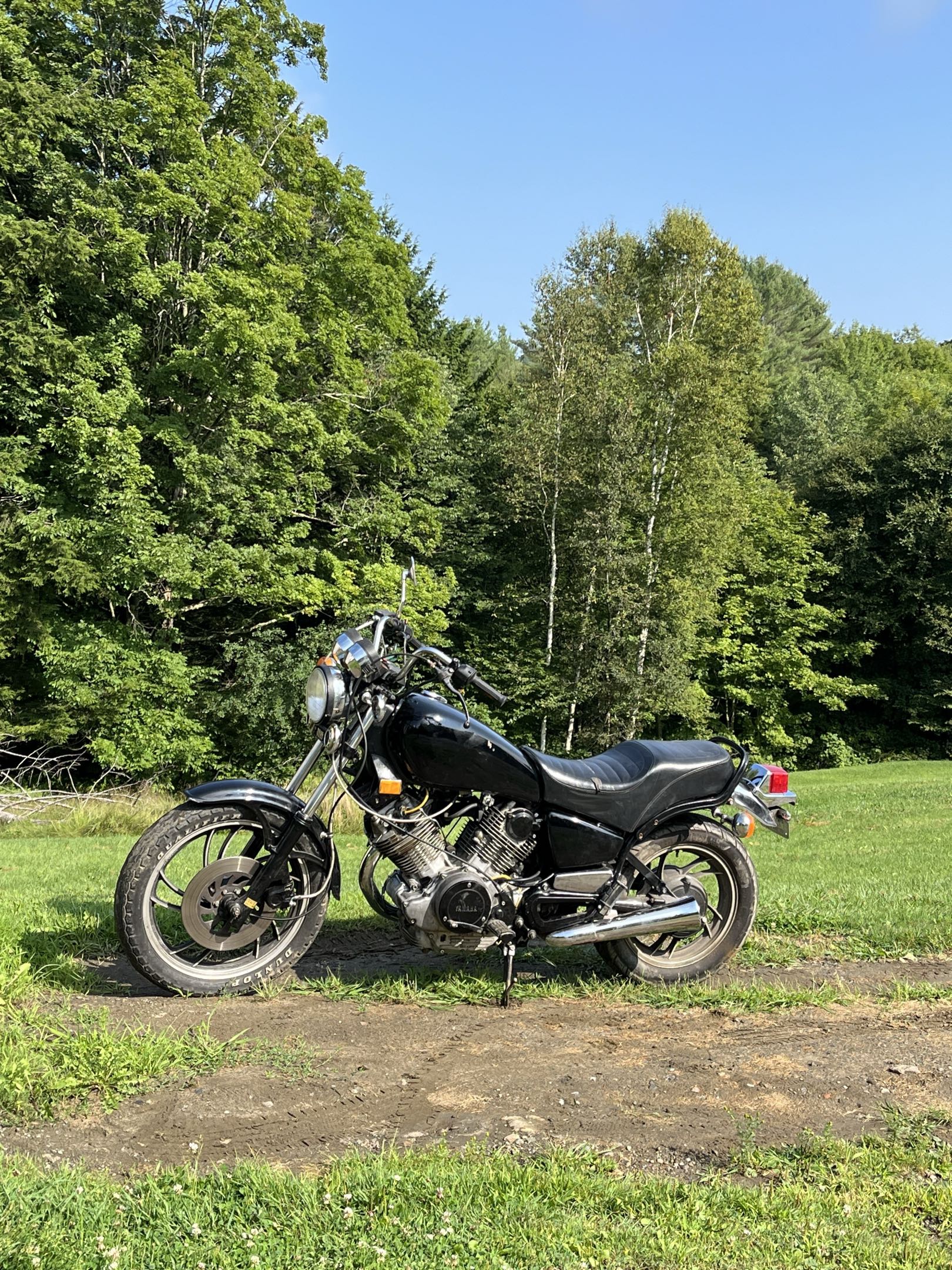
My friend and I took on the summer project of a complete motorcycle rebuild
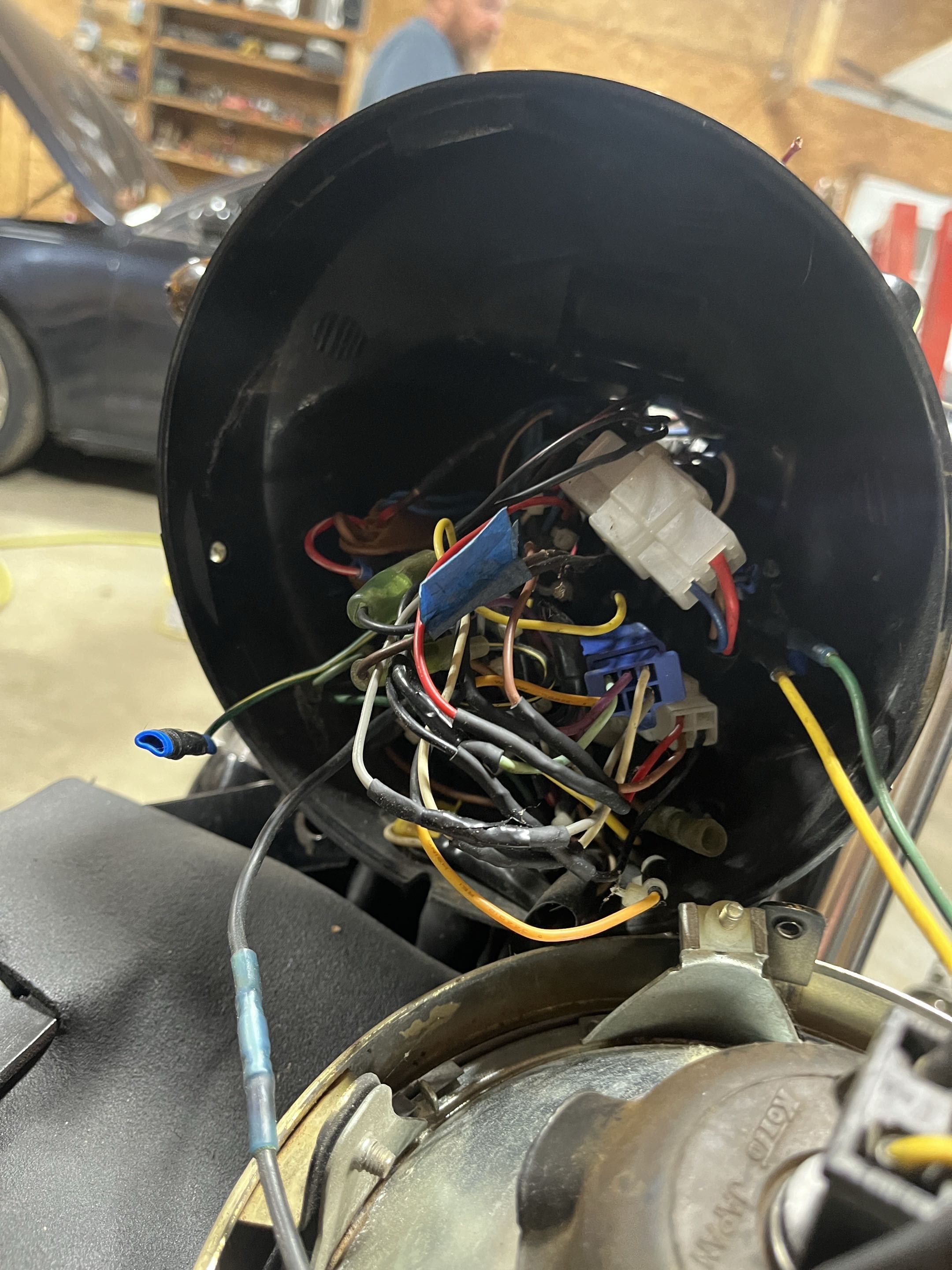
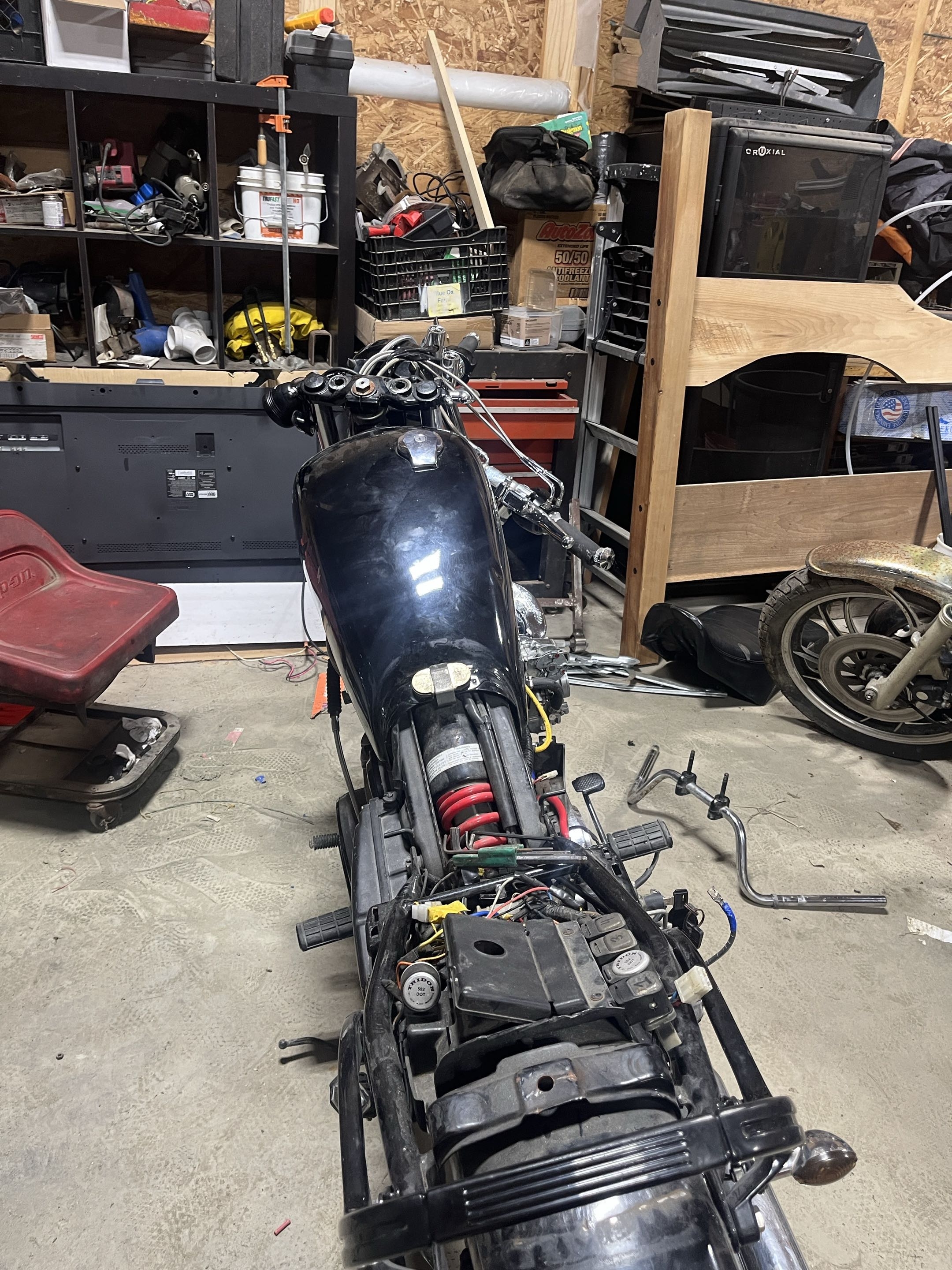
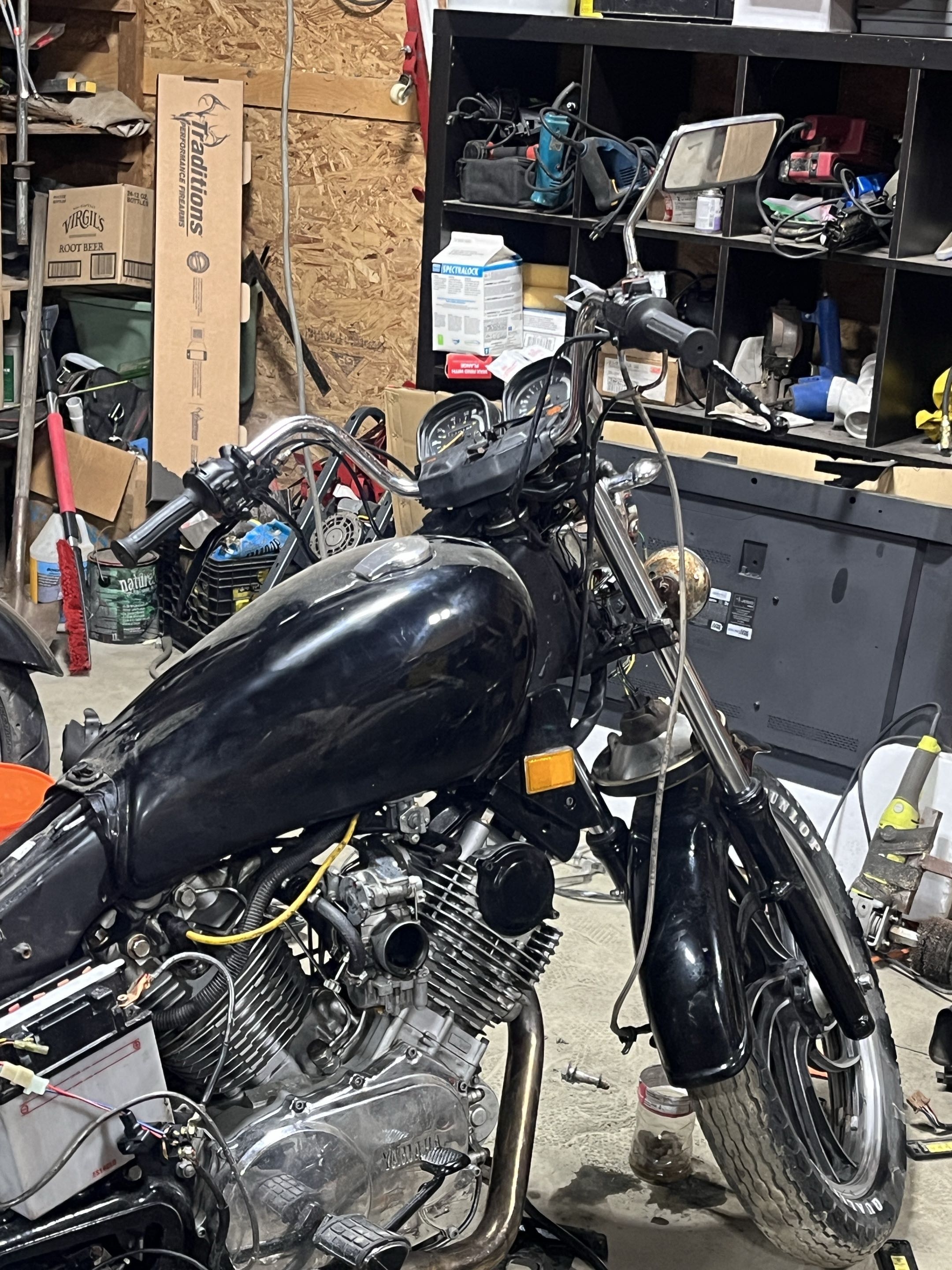
Note: This project predates the creation of this portfolio. At the time I was working on the bike just for fun and did not document the process as thoroughly as I would today.
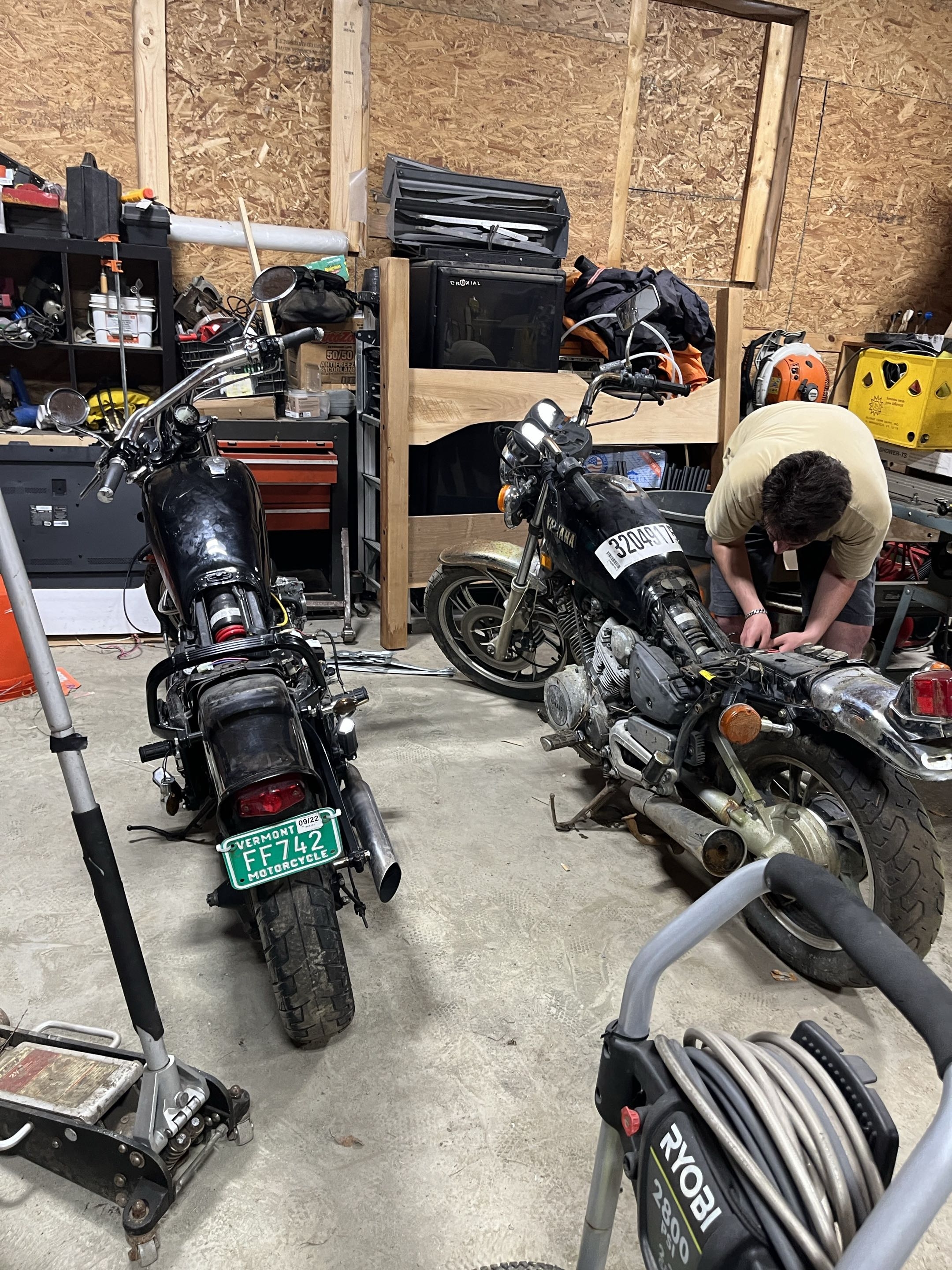
A friend of mine had recently purchased a non-running Yamaha Virago. Most of the major components and the engine itself indicated a 1981 model year, with an XV 920 cc engine. Through some favors at a local junkyard we were able to acquire another non-running 1981 Virago to use as a donor bike. With two broken motorcycles, we effectively had one complete set of parts.
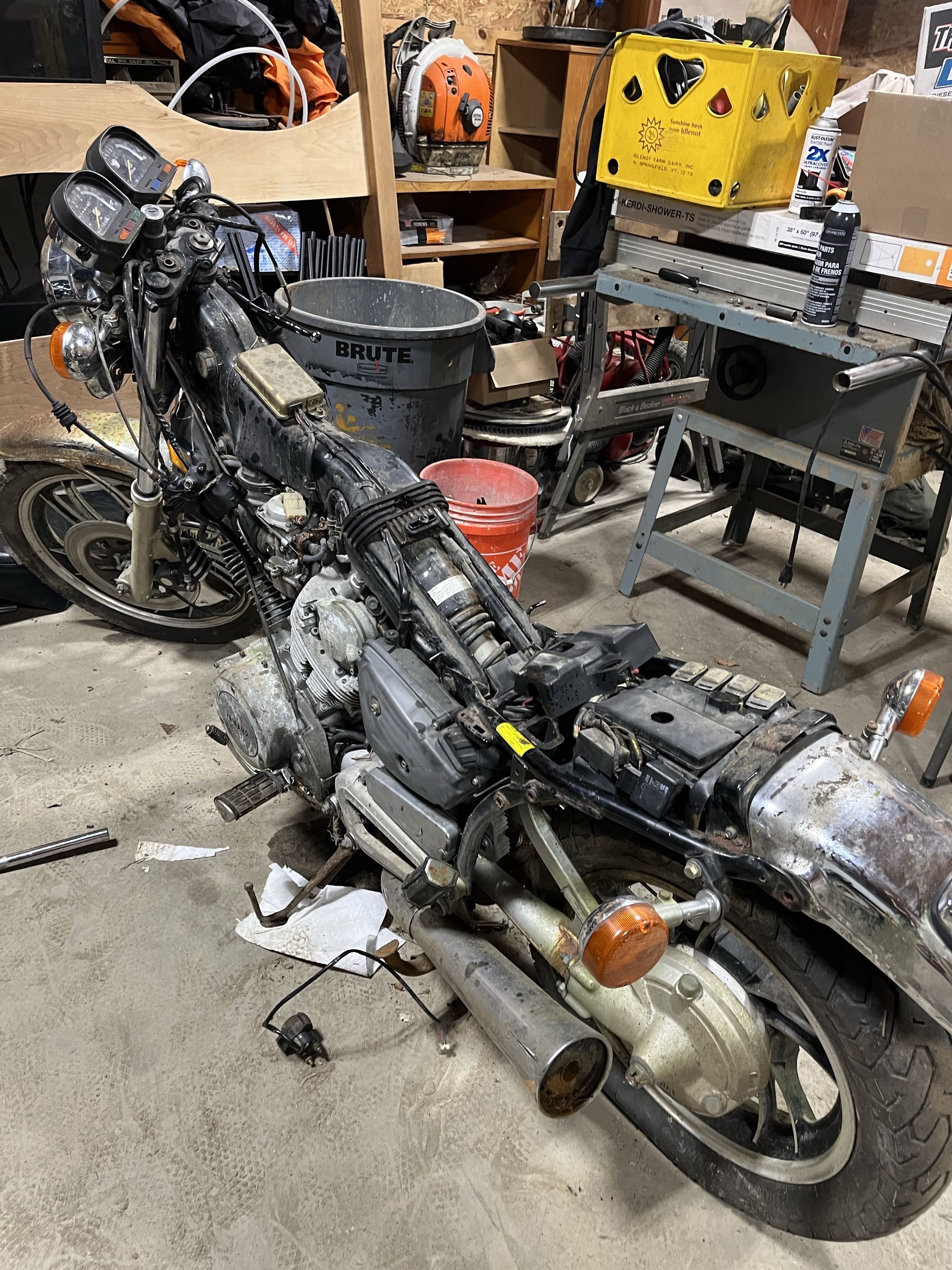
One of the first major problems was the electrical system. Both harnesses had been heavily damaged by mice, so we located the factory diagrams online and recreated the majority of the wiring.
We also discovered a problem in the fuel system. The carburetor was leaking fuel continuously due to a float that was stuck in the open position. To resolve this, we fully disassembled the carburetor, cleaned the internal passages, and rebuilt it.
After installing a new battery, the bike still would not start. We initially suspected the starter motor and discovered that it was indeed one of several issues. We completely disassembled the starter system and the engine side components to inspect the gear train, replacing a few worn gears in the process. During this process we learned that Yamaha had previously acknowledged a design flaw in the starter mechanism on early Viragos and had addressed it in later revisions. By rearranging components to adjust spacing, we were able to implement a functional version of the improved design.
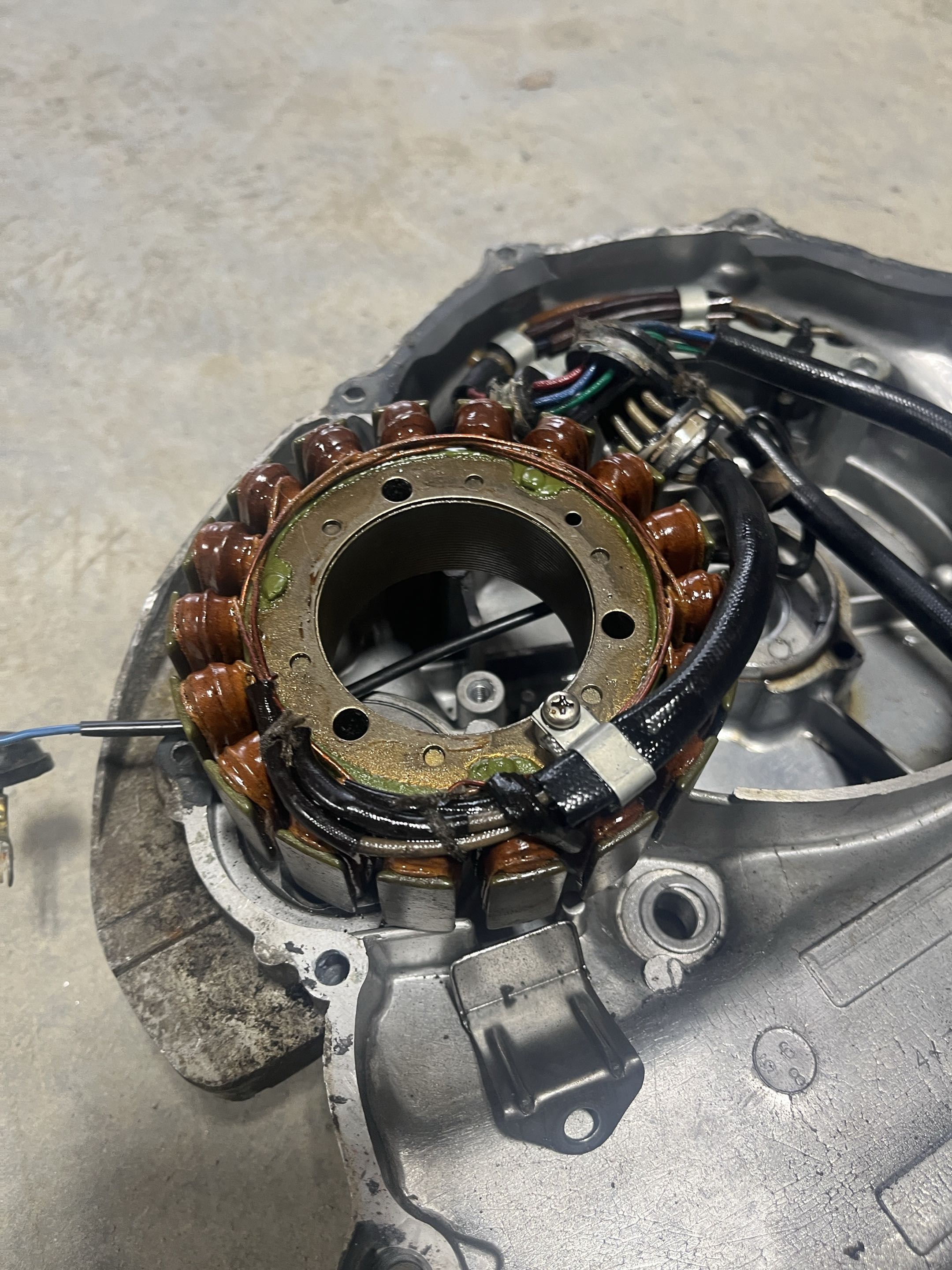
Once the starter system was working, we discovered that the charging system was not functioning correctly. The bike would start, but the battery would just drain immediately, so we correctly diagnosed it as a failed stator (Figure 2). After reassembling the engine and sealing the case with gasket maker, we performed a well needed oil change on the 40-year-old engine and prepared the bike for its first real test run.
Eventually we were able to get the engine running at a stable idle and took the bike for a short test ride toward a nearby gas station. The bike died just as we arrived, which initially seemed like another major mechanical issue. After pushing the ~600 lb bike a mile back up the road to the garage, we discovered the real and rather funny problem considering where it broke down: the gas tank was empty.
Overall, this was an incredibly rewarding experience. Through this project I gained hands-on experience with: V-Twin motorcycle engines, carburetors, alternators, service manual interpretation, and electrical and mechanical system troubleshooting. Additionally, the anecdote from the first test drive reinforced an important lesson in troubleshooting: sometimes the solution to a problem is not the most complex one.